
Lenio

You know the advice. This course helps you use it before you shout.

Before the shout is a short course in emotional regulation for parents who shout, or go quiet, when it all gets too much. The science in plain English, and small tools that work at 7pm on a hard day.

  • 6 short lessons, 2 hours
  • Small tools to keep
  • Opens 30 November
  • Plus 3 months of Lenio free, from today

One payment. The price rises to £150 at launch.
If it doesn't help, full refund until 30 days after launch.

Not ready yet? Read a free lesson first

6.52pm

The cup falls

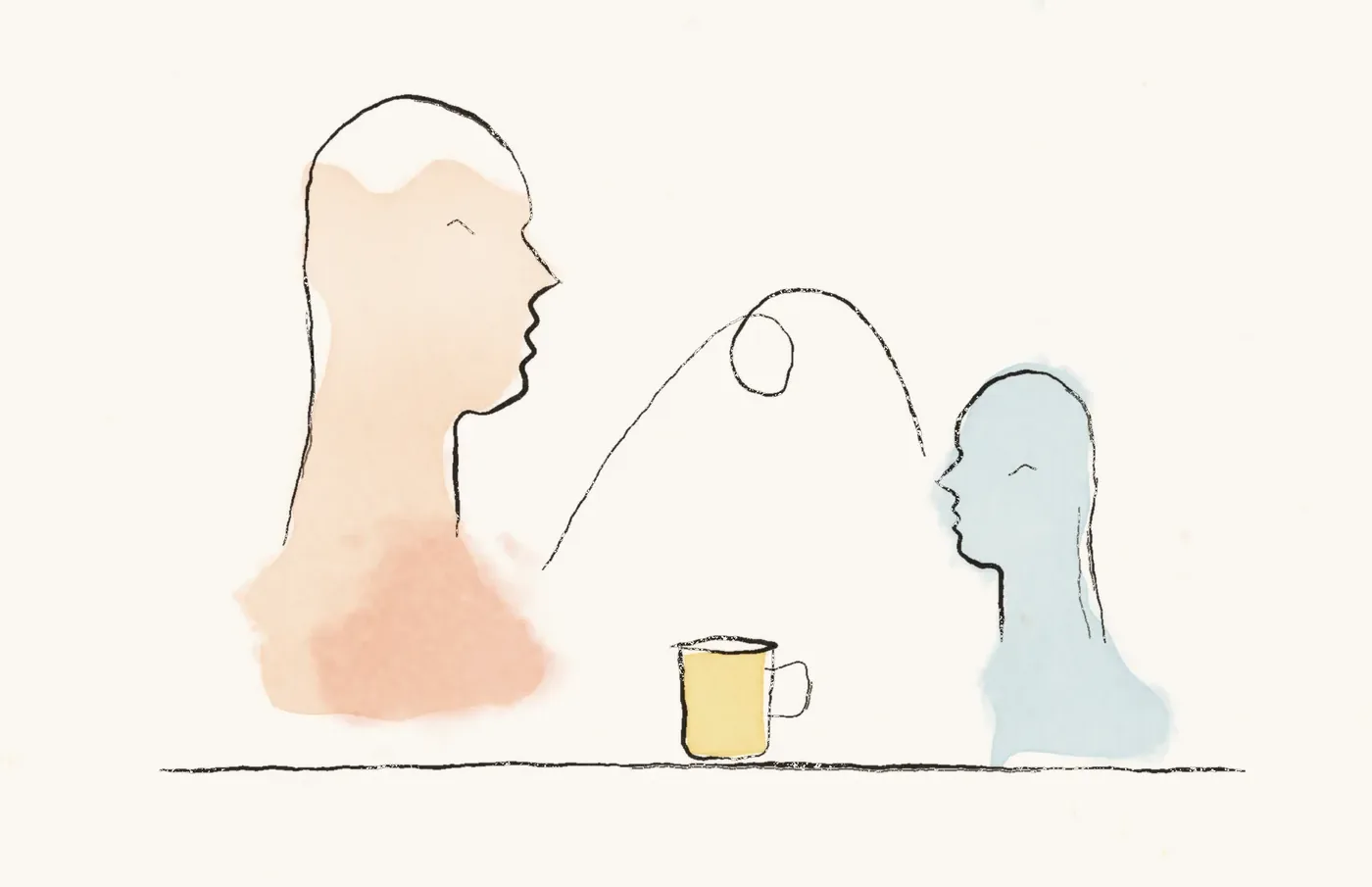
Juice across the table. A coat that won't go on. The fourth time out of bed. Something small, at the end of a long day.

And you hear yourself shout. Or you go cold and quiet and can't reach them. Afterwards, the house is still and you replay it.

You shouted. You're still a good parent.

A loose knot of pen line, painted in soft watercolour

A cup falls

A free illustrated story, 4 minutes. Slow this moment right down and notice what happens in your body.

Read the story
A few seconds earlier

The run-up

When you feel under threat, your body gets ready to act. Your heart speeds up, your jaw tightens, your voice gets louder. At the same moment, the part of your brain that plans and holds back gets quieter.

It is why a script you know by heart can vanish halfway through an argument.

The second you notice

The catch

The run-up is where you can step in. Noticing it a few seconds sooner is enough to change what happens next. Try the first step now, free.

Free lesson: The second before you snap

Losing your temper feels instant. It rarely is. There is a short run-up, and your body feels it before your mind catches up. This lesson helps you find your first sign. It takes three minutes.

1Where do you feel it first?

Think of the last time you snapped. Picture the moment just before. Where did it show up in your body?

Tap the one that fits. There is no wrong answer.

2What if I don't notice anything?

Most people don't, at first. Sensing what is happening inside your body is a skill, and scientists call it interoception. It gets quieter under stress, which is exactly when you need it. It also grows with practice.

So start where it's easy, and let the noticing move earlier.

  1. AfterwardsTonight, replay it. Where did it show up?
  2. DuringNext time, you catch it halfway through. That counts.
  3. BeforeThen a few seconds earlier. That is the gap you need.

3Try this today

  1. Write your word where you will see it, like your phone's lock screen.
  2. When you feel it, say the word to yourself. Nothing else yet.

Naming a feeling takes a little of its heat out. Researchers call this affect labelling.

Why this works

When something small tips you, your brain reads it as a threat, even though you know it isn't one. Stress hormones rise. Your heart speeds up, your breathing gets shallow and your muscles tighten. This is the same system that would help you jump out of the way of a car.

While that happens, the front of your brain works less well. That is the part that plans, weighs things up and stops you saying the thing you regret. Your good intentions are still there. For a minute or two, they are harder to reach. Your body's signal arrives first, which is why it makes such a good early warning.

See the whole course
8.30pm, bedtime done

Afterwards

Every parent loses it sometimes. What you do next matters a great deal. Going back, saying what happened and making it right shows your child that a rupture can be mended. Researchers call this repair.

The course: six short lessons

Before the shout follows the evening above, from what loads you up beforehand to how you put things right afterwards. Each lesson takes about 20 minutes, and most give you a small tool to try that week.

The six lessons across one evening A hand-drawn line shows one evening. It starts calm inside your window, rises through the run-up, crosses the top line where you snap, then comes back down. Lesson 1 sits on the calm stretch, lesson 2 at the spark, lessons 3 and 4 on the run-up, lesson 5 just before the line, and lesson 6 on the way back down. your window snap shut down the shout catch it here 1 2 3 4 5 6
  1. 1What loads you upFind the moments and old patterns that fill you up before anything happens.
  2. 2When their feelings set off yoursHow children borrow calm from the adults near them, and why a meltdown can pull you in.
  3. 3The second before you snapSpot your body's early warning signs. (Try the first step free, above.)
  4. 4Your stress response, in plain EnglishWhat happens in your body and brain, and why willpower alone runs out.
  5. 5Tools for the catchSmall moves for the seconds that matter, simple enough to use when your head is full.
  6. 6RepairWhat to say afterwards, so your child feels safe with you again.

What you'll have at the end

  • A body-signal map. Your own early warning signs, written down.
  • A pause plan. What you will do in the first ten seconds.
  • A one-minute reset for when you have already gone over.
  • A repair script in your own words, for afterwards.
  • A trigger log to spot your patterns over a few weeks.

Included with your pre-order

3 months of Lenio, free

The course teaches you what to do before the hard moment. Lenio is there during it. It's a private chat you can open on your phone when you feel the run-up. It listens first, then helps you find one small next step.

You

Just shouted at him over his shoes. Again.

Lenio

That sounds like a hard morning. What was happening in you just before?

Worth £30. It starts the day you pre-order, so you can use it tonight. Nothing is charged afterwards unless you choose to stay.

Who's teaching this

I'm Hom. I built an app for Internal Family Systems (IFS) work, a respected therapy approach, and a practising therapist now uses it with her clients. I also built Lenio, which parents use in their hard moments.

I've spent over ten years learning how people get triggered, and I've meditated for the past five. When I had a child, a lot of that helped. I also found that children trigger our deepest insecurities. However many parenting books I read, there were always the hard days. The books told me what to do. I needed help doing it while I was already angry.

I don't have clinical training, so every lesson is built on published research, and each one names its sources. This course is what I wish I'd learnt first: what is going on in me in that moment, and a few small things I can actually use.

Hom, the parent who made Lenio

Pre-order Before the shout

£39

One payment. £150 when the course opens on Monday 30 November

  • All six lessons
  • The five tools, yours to keep
  • Yours to keep
  • 3 months of Lenio free (worth £30)

If it doesn't help, get your money back. Full refund until 30 days after launch, no questions asked. Keep the 3 months of Lenio either way.

Questions

I go quiet rather than loud. Is it for me?

Yes. Going cold, quiet or checked out is the other way a body leaves its window. The course covers both, and the same skills help.

How is this different from free advice online?

Free advice tells you what to do. This course helps with the few seconds before you react, when that advice disappears. You learn your own early signs, practise a few small moves, and have Lenio for the hard moment itself.

I have ADHD, or my child does. Will it work for us?

It's built for full heads and busy evenings. Lessons are short and stand on their own, each tool is one small step, and nothing needs a plan in the moment. Many parents find regulation harder when ADHD is in the house, and the course speaks to that directly. There is also a neurodivergent edition with two extra lessons.

What ages is it for?

It is written for parents of children from about 2 to 10. Most of it works with older children too.

What if I fall behind?

There is nothing to fall behind on. Each lesson stands on its own and takes about 20 minutes. Stop when life gets busy and pick up where you left off. Nothing expires.

Is it private?

Yes. The course is just for you, and nobody else sees what you write.

What happens after I pay?

You get a receipt and your Lenio link by email straight away, so your 3 free months start that day. On 30 November you get a second email with your way into the course.

I already pay for Lenio. What do I get?

We add 3 months of credit to your account, so your next three monthly payments are covered. Your plan carries on as normal afterwards.

Is this based on real science?

Yes. Each lesson builds on well-established research and tells you where it comes from, so you can read more if you want to. You'll learn:

  • why stress switches off the part of your brain that plans and holds back (Amy Arnsten, Yale)
  • why putting a feeling into words takes some of its heat out (Matthew Lieberman, UCLA)
  • what your "window of tolerance" is, and what pushes you out of it (Dan Siegel)
  • how children borrow calm from you, and why repairing after an argument matters so much (Ed Tronick's research on parents and babies)