A cup falls.
Something in you tightens.
A tight jaw. A knot in your stomach. Explore what you feel before you react, and how putting it into words can help you understand it.
Follow the feeling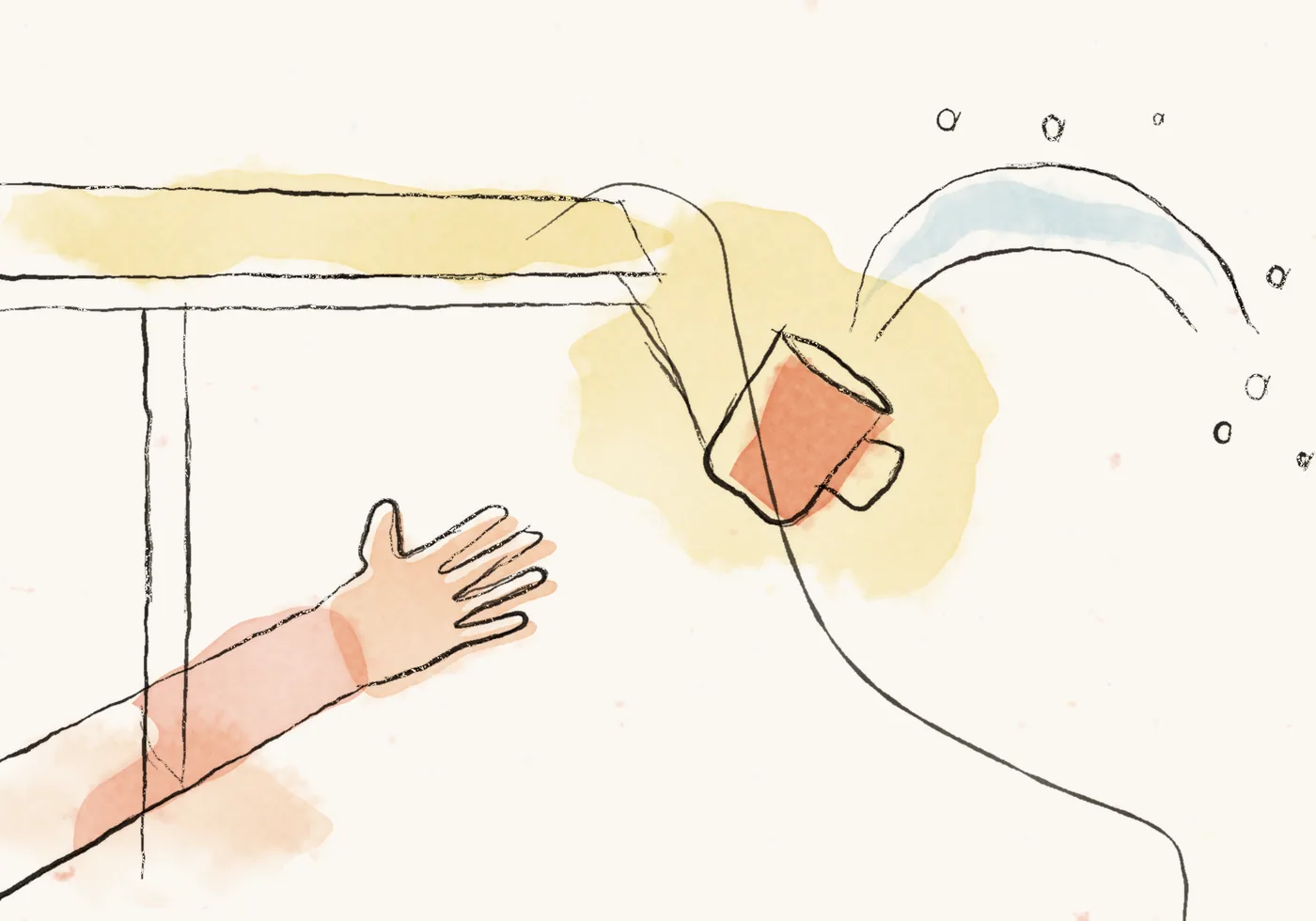
You might feel it in your body first.
Your child drops a cup. Your shoulders rise and your jaw tightens. You feel frustrated, and want to snap.
"Why can't you be more careful?"
Frustration is the emotion. The tight jaw is a body sensation. Noticing one can be a starting point for exploring the other.
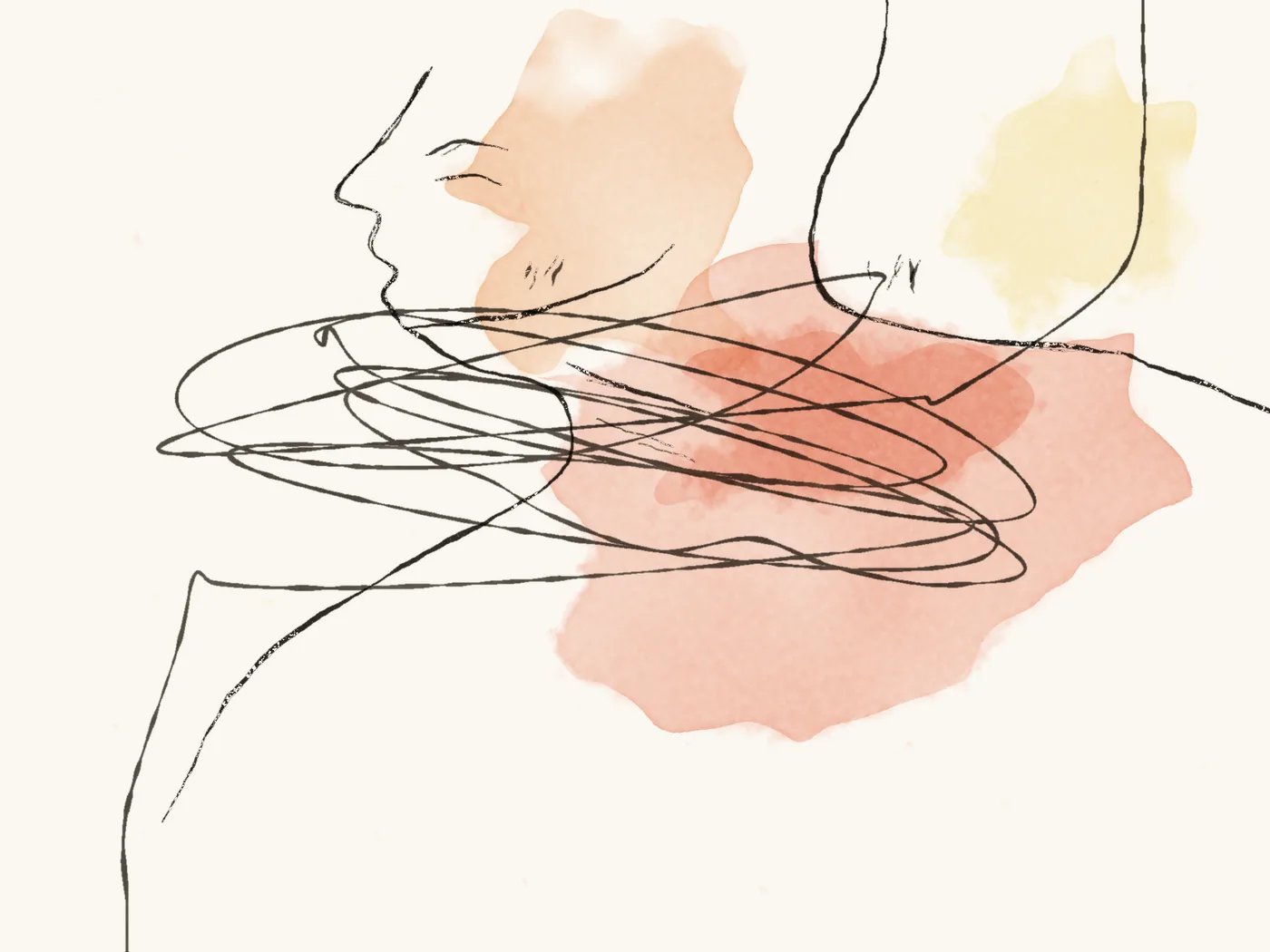
What might that tightness be about?
Part of you knows it was an accident. Another part wants everything under control. By a ‘part’, we mean a feeling or urge within you, even when another side of you feels differently.
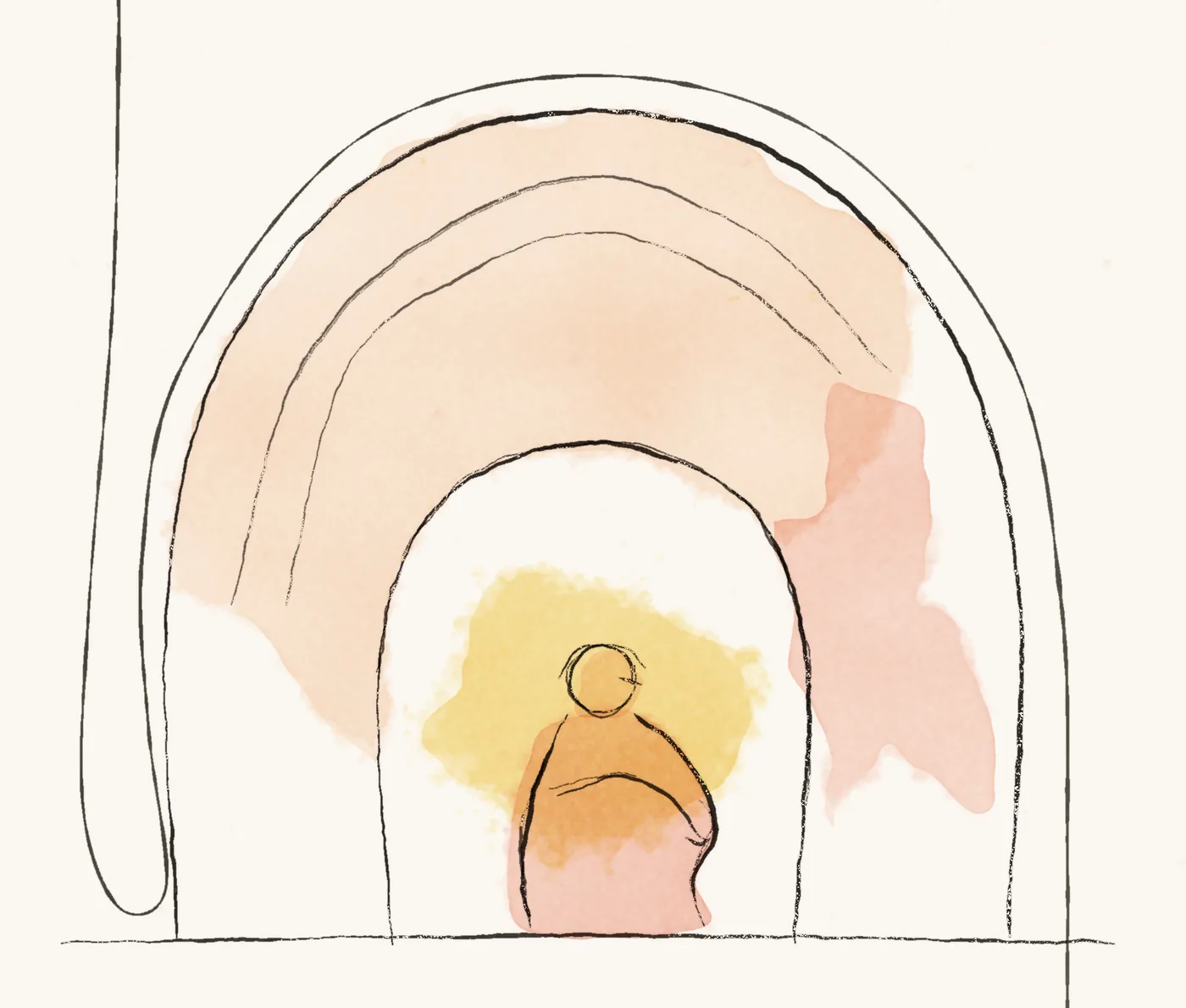
For this parent, mistakes used to mean trouble.
When they were little, spilling something meant being shouted at.
They learnt to be careful to avoid that anger. Now their child spills something, and they feel tense, as if trouble is coming. The urge to take control may be a part of them trying to prevent it.
Your experience may be different. Tiredness, noise or too much to do can matter too. You don't need to find a childhood memory to explore what you feel now.
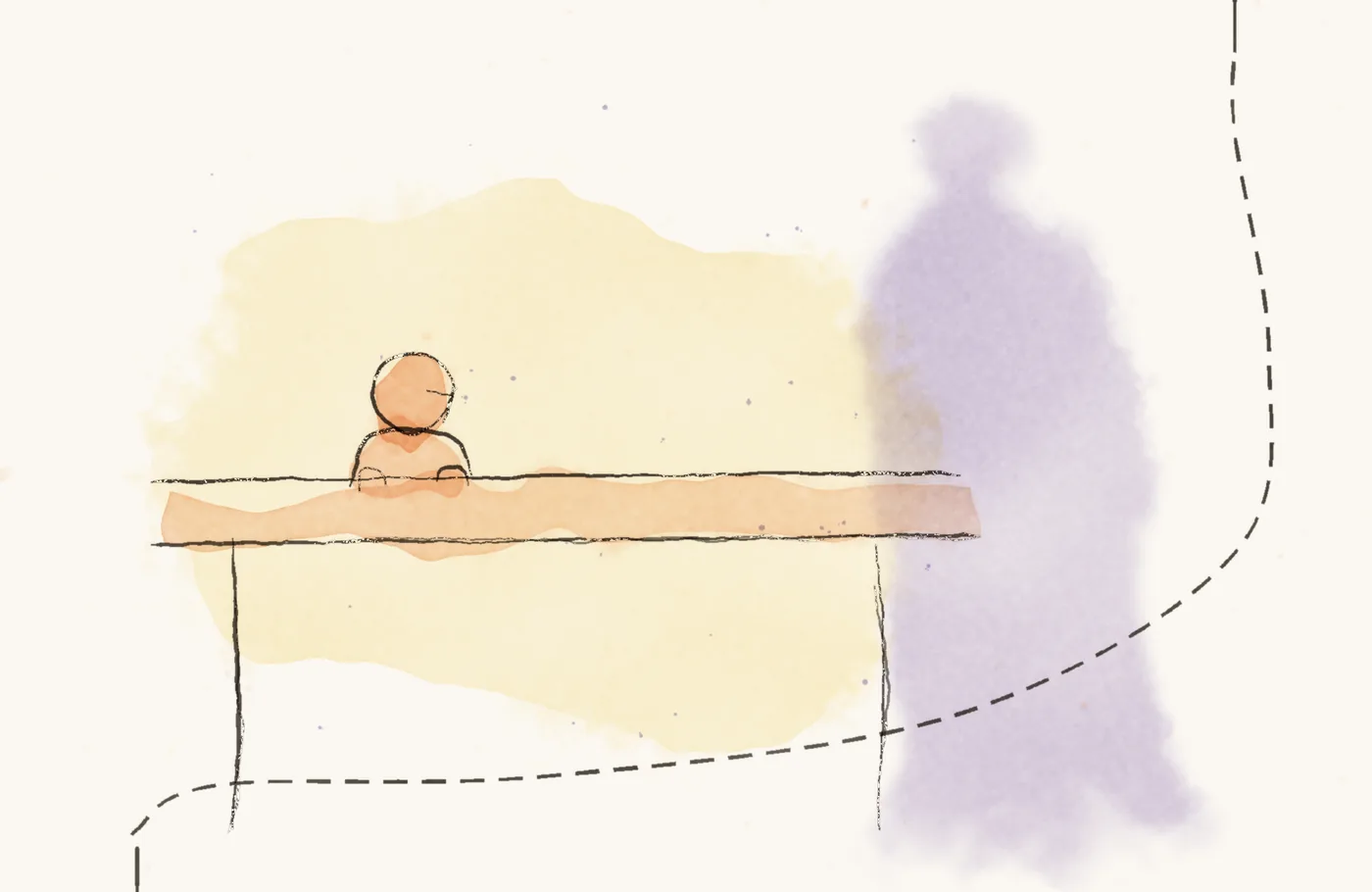
Notice it before trying to change it.
"My chest is tight.
I feel worried, and I want to take control."
You don't have to make the feeling go away. Start with what you can notice: a sensation, an emotion, or an urge to act.
Ask yourself: what feels difficult about this moment? It's OK if you don't know yet.
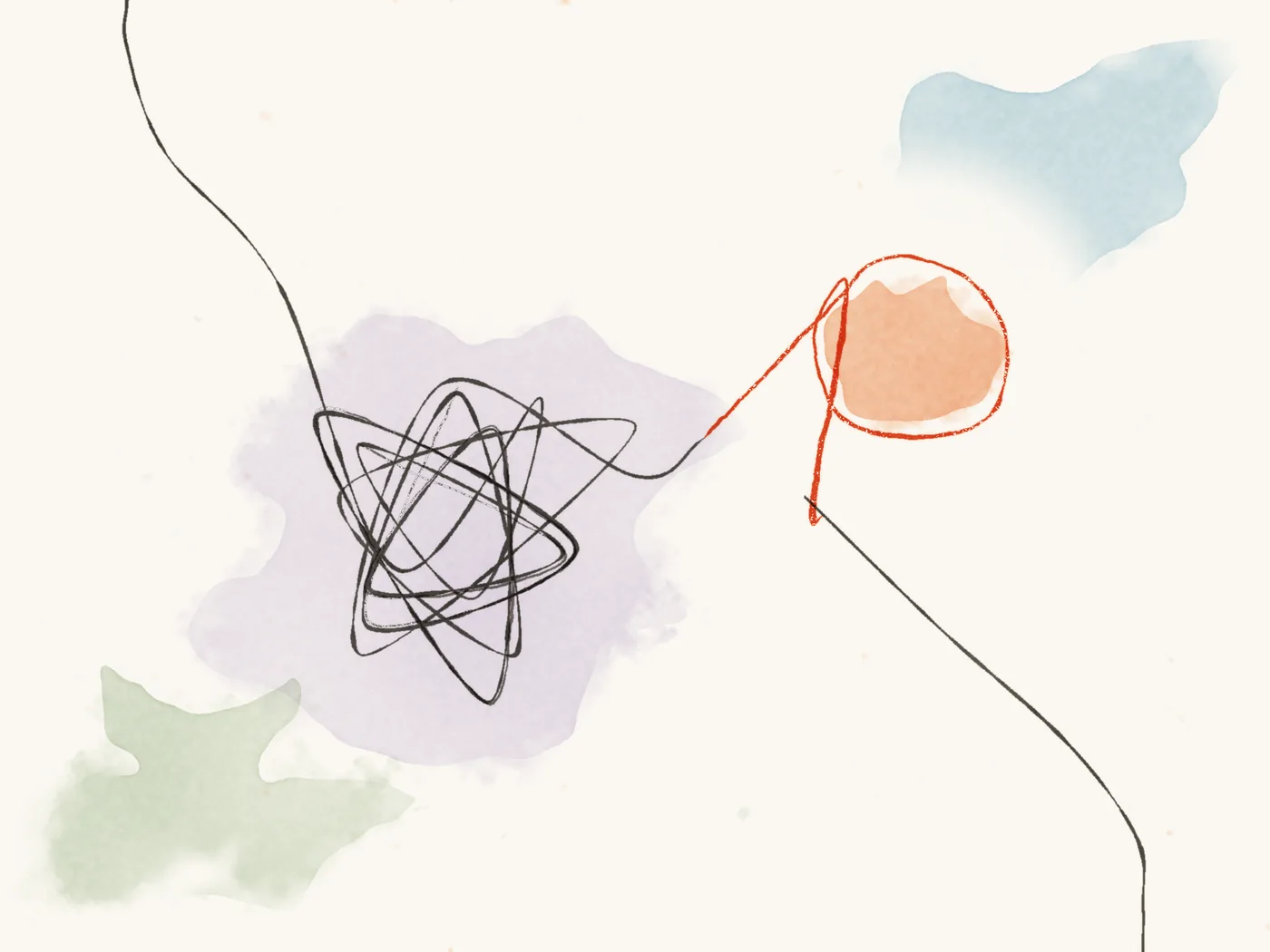
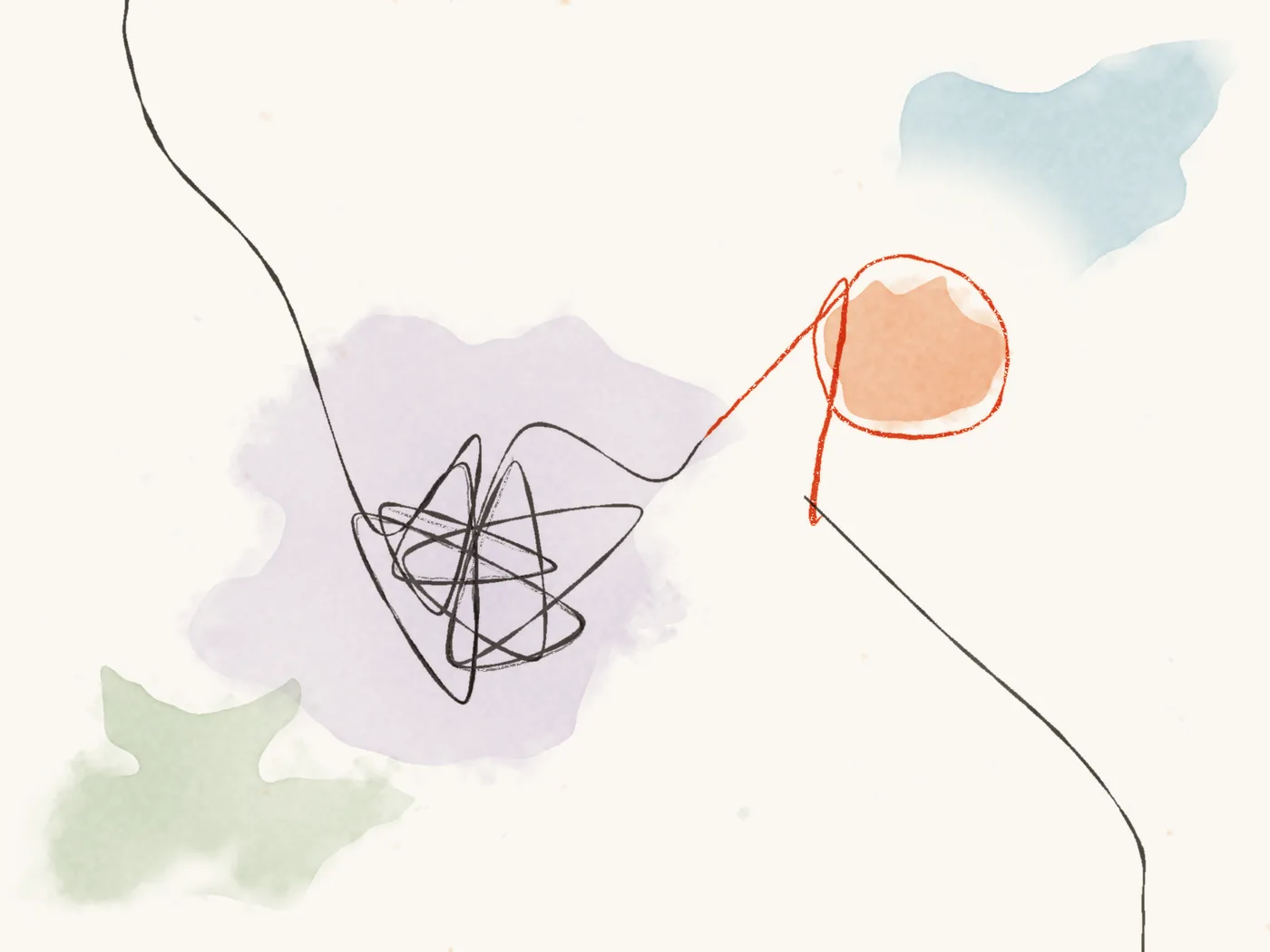
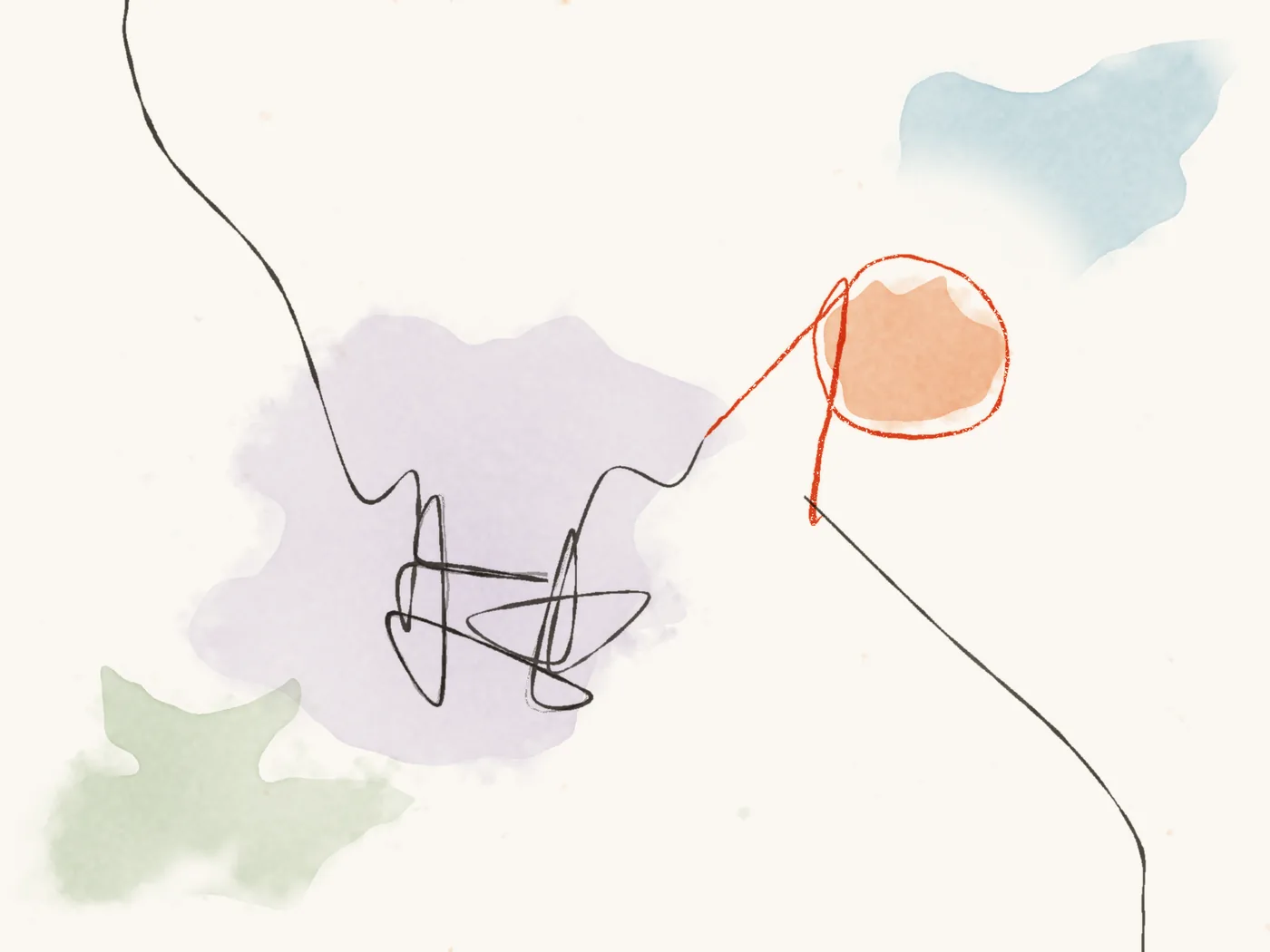
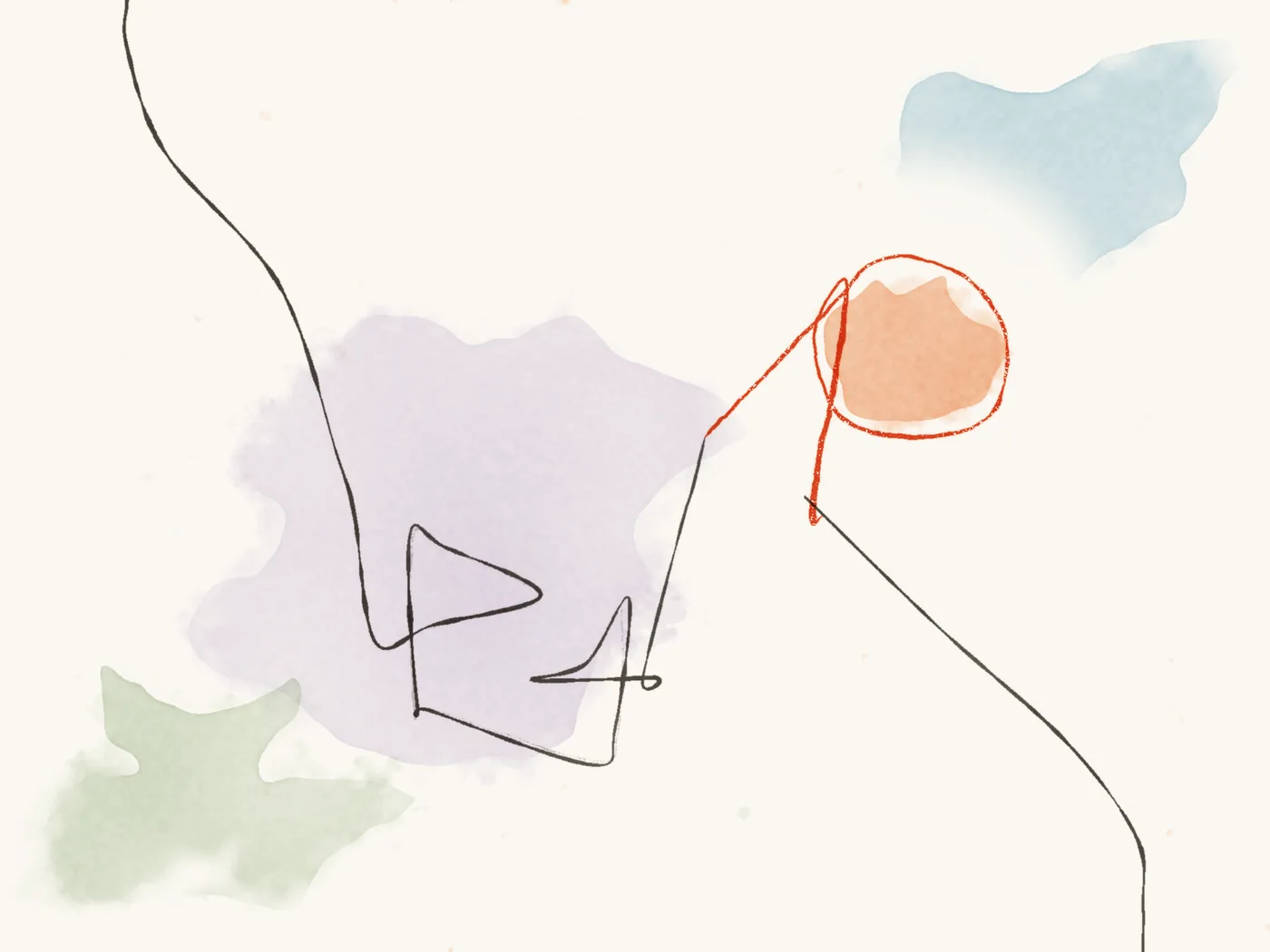
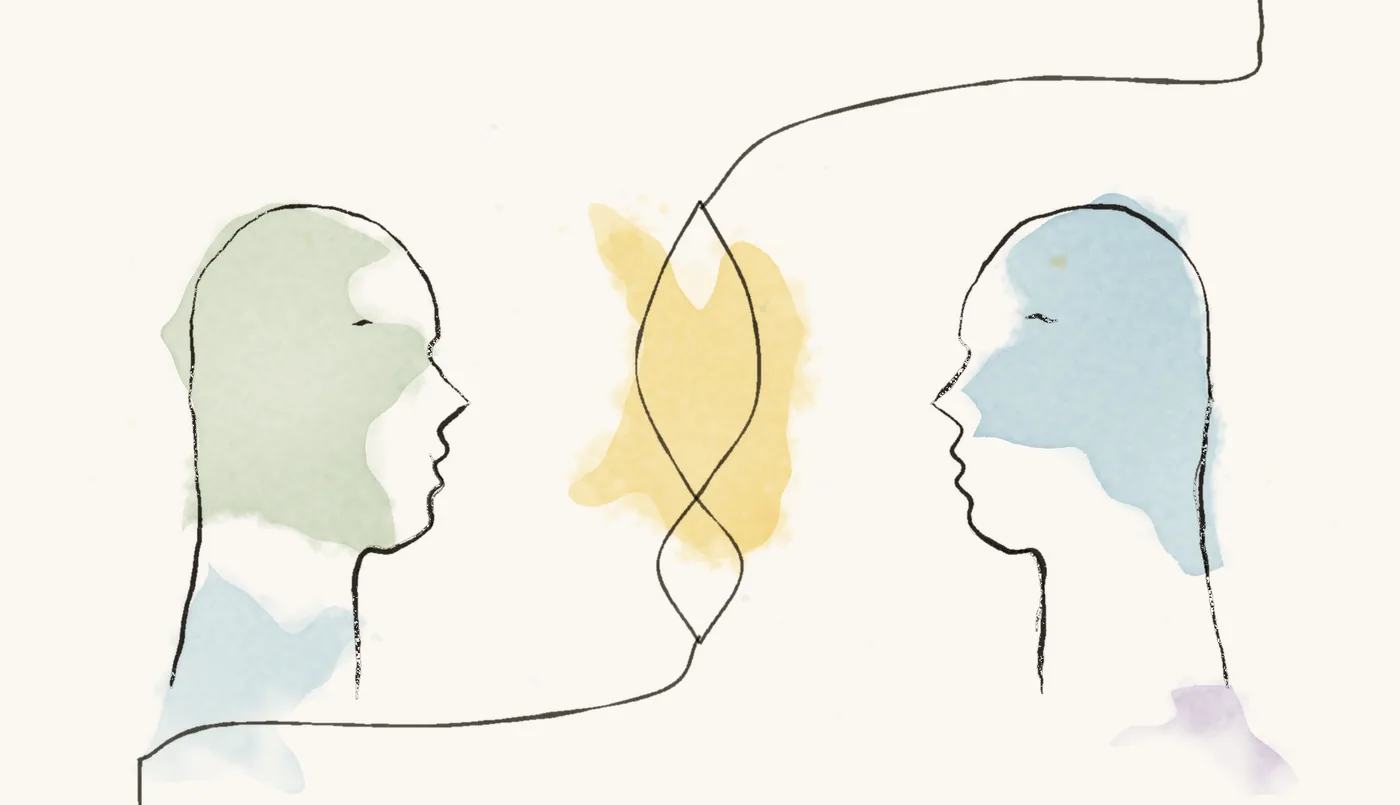
Talking can help you explore the feeling.
Parent"It was just a cup. Why did I get so tense?"
"What did you feel in your body? Was there a thought with it?"
"My stomach dropped. I thought someone was about to get angry. I felt scared as well as frustrated."
An example conversation. You can start with ‘I feel tense’ or ‘I don't know’. You don't need a neat explanation.
A feeling doesn't have to choose your next words.
"I feel tense. I can take a moment before I speak."
You might still feel upset. The next step could be checking for broken pieces and saying, ‘It was an accident. Let's clear it up.’
You may also need something practical: help with the mess, a pause, or one less job to do.
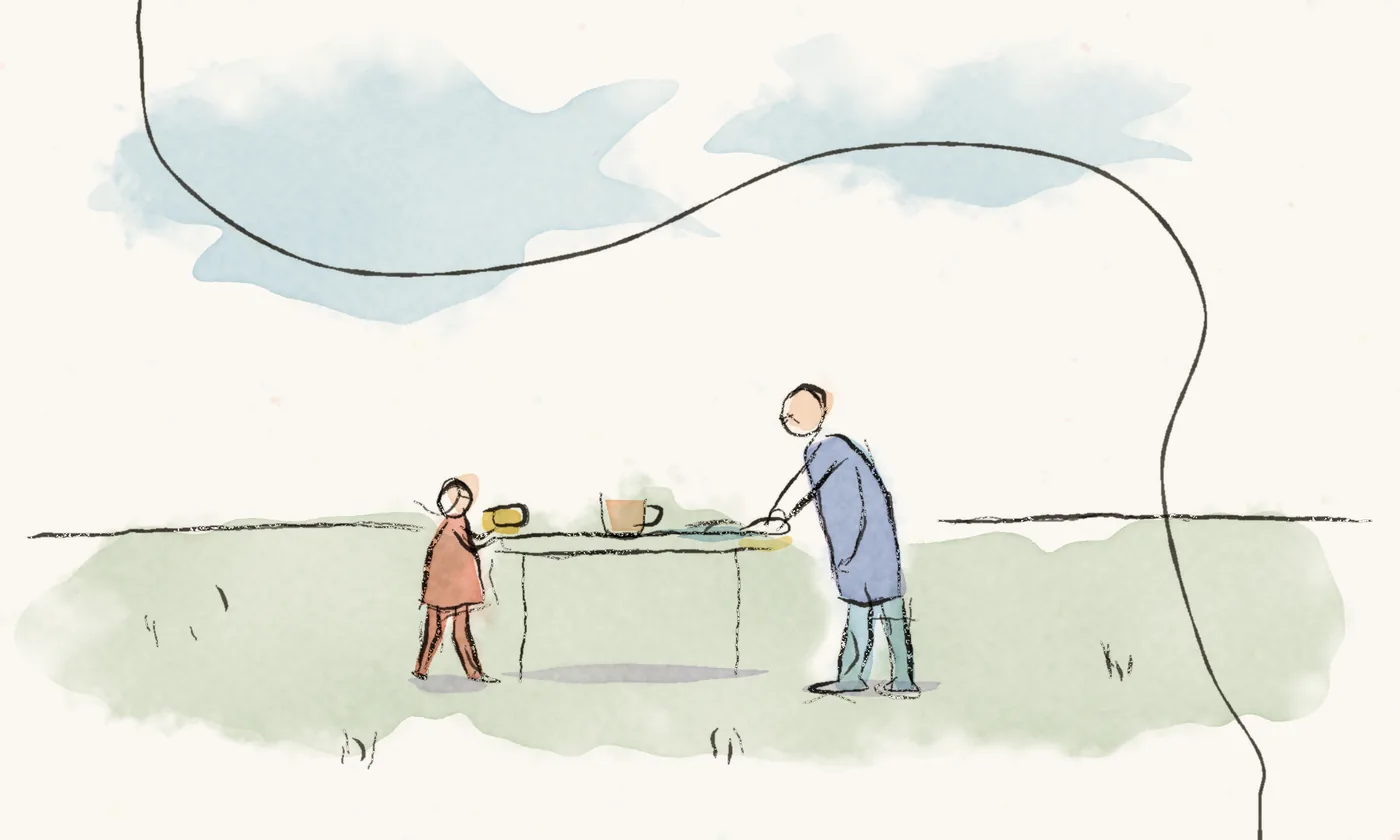
Some days, you'll notice afterwards.
You might only notice the tightness after you've snapped. That still counts. It is where noticing starts, and with practice it moves earlier: first during, then a few seconds before.
That is what Before the shout teaches. It is a short course for parents: six lessons, about two hours, with small tools for the seconds that matter.
See the coursePre-order now, with 3 months of Lenio free.
Start with what you notice.
Tell Lenio about a moment that stayed with you. Start with what happened, what you felt in your body, or the words going round in your head.
These words come from your choices above. Edit them here, then open a conversation. Nothing is sent yet.
This is one way to explore a reaction. A ‘part’ can show up as tightness, a thought or an urge, such as wanting to take control. You might feel something different, or nothing clear yet.
Lenio